
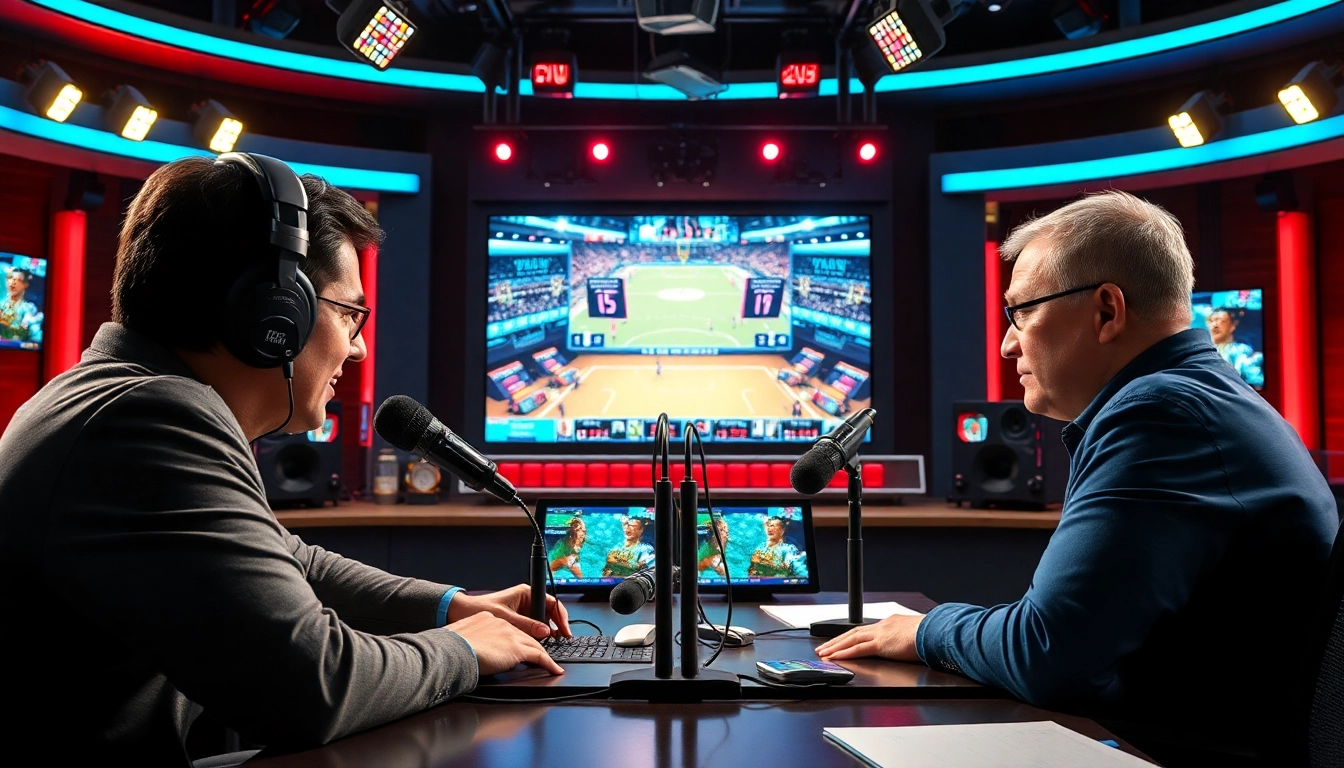
Understanding the Fundamentals of Sports Broadcasting
What is Sports Broadcasting?
Sports Broadcasting involves the dissemination of sports events and related content through various media channels, including television, radio, and online platforms. It is a crucial aspect of the sports industry, providing updates, live coverage, and analysis to fans around the world. With the rise of digital media, Sports Broadcasting has evolved significantly, incorporating technologies that enhance the viewing experience and engage audiences more deeply than ever before.
Key Roles in Broadcasting Teams
The effectiveness of Sports Broadcasting lies in the collaboration of various professionals in broadcasting teams. Key roles include:
- Play-by-Play Announcer: This person provides a live account of the action occurring during the event, translating the visual elements into descriptive narrative for the audience.
- Color Commentator: Offering insights and analysis, the color commentator enhances the traditional play-by-play by providing context, statistical information, and color to the broadcast.
- Producer: The producer is responsible for the overall flow of the broadcast, coordinating between different segments, crew members, and technical elements to ensure a smooth broadcast.
- Cameraman: They capture critical moments on video, using various camera angles to enrich storytelling and keep fans engaged.
- Audio Engineer: This individual manages sound quality and clarity, working with microphones and soundboards to create an optimal listening experience.
Each of these roles is pivotal to a successful broadcast, contributing to a seamless experience for both viewers and listeners.
The Importance of Audience Engagement
Engaging with the audience is not just beneficial; it's essential for successful Sports Broadcasting. Broadcasters must understand their audience's preferences, motivations, and demographics to tailor their content effectively. This engagement can occur through:
- Interactive Features: Incorporating polls, quizzes, and live chats can keep the audience involved during broadcasts.
- Social Media Integration: Active engagement on platforms like Twitter, Instagram, and Facebook offers broadcasters a way to reach out to fans directly.
- Post-Event Analysis: Hosting discussions or analyses after games can spark conversations, provide additional insights, and maintain interest.
Establishing a two-way communication channel with the audience fosters loyalty and enhances the overall viewing experience.
Essential Equipment for High-Quality Sports Broadcasting
Microphones and Audio Gear
Achieving high-quality audio is vital in Sports Broadcasting. Whether on-site at a stadium or in a studio, appropriate audio equipment includes:
- Dynamic Microphones: Best suited for environments with high noise levels, such as stadiums, where clarity matters.
- Condenser Microphones: Ideal for studio broadcasting, they provide a broader frequency response and capture subtler vocal characteristics.
- Wireless Microphones: Essential for on-field interviews and commentary, allowing freedom of movement without sacrificing audio quality.
Choosing the right microphones ensures clarity and professionalism in audio delivery, a hallmark of quality broadcasting.
Camera Equipment and Setup
Visuals are as important as audio in Sports Broadcasting. High-quality cameras help convey the excitement of sporting events. Key components include:
- HD Cameras: High-definition cameras ensure that audiences do not miss any crucial moments, capturing high-quality imagery with clarity.
- RoboCam Systems: Automated cameras can follow action dynamically; they offer flexibility and higher production value with fewer crew members.
- Camera Lenses: Wide-angle lenses allow for a broad field of view during matches, while zoom lenses focus on specific actions or players.
Proper camera setup, including multi-camera angles and high-resolution options, enhances viewer engagement and immersion.
Broadcast Software: Key Features
Broadcasting software plays a crucial role in editing, live-streaming, and managing broadcasts. Important features to consider include:
- Live Switching Capabilities: For seamless transitions between camera feeds during live events.
- Graphics Overlays: Essential for displaying real-time stats, scores, and player information that enhance viewer understanding.
- Multimedia Integration: Ability to incorporate video highlights, graphics, and social media feeds keeps content lively and engaging.
Selecting robust broadcast software aids production teams in maintaining a professional edge in presentations and viewer engagement.
Techniques to Enhance Your Sports Broadcasting Skills
Communicating with Passion and Clarity
The most successful broadcasters are often those who combine passion with clear communication. Techniques include:
- Vocal Training: Regular practice of articulation and projection helps in conveying enthusiasm without overwhelming the audience.
- Storytelling: Weaving narratives around games, players, and teams captivates listeners, making them feel invested.
- Active Listening: Engaging fully with analysts or co-commentators builds a comprehensive commentary and prompts spontaneous interaction.
A broadcaster's ability to combine excitement with clarity can make the game come alive for the audience.
Building a Strong On-Air Presence
Your on-air persona is vital to connect with viewers. Elements of a strong on-air presence include:
- Confidence: Speaking confidently instills credibility; viewers are more likely to trust someone who presents themselves confidently.
- Personality: Infusing one's unique personality into broadcasts can differentiate a broadcaster from others in a highly competitive space.
- Body Language: Using appropriate gestures and maintaining eye contact with the camera helps establish rapport with the audience.
The synergy of these elements fosters a dynamic presence that resonates with audiences, improving overall engagement.
Utilizing Social Media to Connect with Fans
Social media platforms are invaluable for Sports Broadcasting, enabling broadcasters to engage fans in new and exciting ways:
- Real-Time Updates: Leveraging platforms for instant updates during events keeps fans engaged, especially those unable to watch live.
- Behind-the-Scenes Content: Sharing glimpses of pre- and post-event activities makes fans feel included and invested.
- Fan Interaction: Responding to fan questions and comments shows that broadcasters value their audience's input, creating a community feel.
Utilizing social media effectively helps broadcasters build a community around their brand, enhancing loyalty among viewers.
Current Trends in Sports Broadcasting
Digital Streaming and Its Impact
Digital streaming has revolutionized Sports Broadcasting. It allows fans access to live sports anywhere, fostering a global audience. Notable trends include:
- Accessibility: Viewers can watch sports on various devices, making it easier to engage with content.
- Personalization: Streaming services often allow fans to choose specific angles or camera feeds, catering to individual preferences.
- Subscription Models: Many networks are transitioning to subscription-based models, encouraging direct connections with fans.
The shift towards digital streaming enables broadcasters to reach a wider audience while providing tailored experiences.
Use of Analytics in Sports Commentary
Analytics are becoming increasingly integrated into Sports Broadcasting, providing a wealth of data. Strategies include:
- Performance Metrics: Discussing player and team statistics with context enriches storytelling and aids viewer understanding.
- Predictive Analytics: Utilizing analytics to predict game trajectories can enhance pre-game and mid-game commentary.
- Data Visualization: Graphs and charts can help simplify complex data for viewers, making insights more digestible.
Embracing analytics enhances the depth of commentary and engages analytical viewers effectively.
The Rise of Interactive Broadcasting
Interactive Broadcasting is an emerging trend allowing fans to participate in real-time during broadcasts. Key components include:
- Viewer Voting: Fans can influence storylines or player choices through real-time polls during broadcasts.
- Augmented Reality: Integrating AR can provide stats and highlights directly on-screen, enhancing the viewer's experience.
- Second-Screen Experiences: Providing supplementary content on devices enhances engagement, allowing viewers to explore additional insights.
This trend fosters a more collaborative viewing experience, transforming how audiences consume sports media.
Measuring Success in Sports Broadcasting
Understanding Audience Metrics
Measuring success in Sports Broadcasting involves understanding various audience metrics. Key performance indicators (KPIs) include:
- Viewership Ratings: Tracking the number of viewers tuning into broadcasts can indicate popularity and effectiveness.
- Engagement Rates: Monitoring audience interaction on social media and during broadcasts can highlight areas for improvement.
- Demographic Insights: Analyzing data on viewership demographics can shape future content strategies accordingly.
Insights from these metrics empower broadcasters to refine their strategies, catering to their audience's needs more effectively.
Feedback and Continuous Improvement
Feedback is essential for continuous improvement in broadcasting. Broadcasters should actively seek:
- Viewer Surveys: Understanding audience preferences and experiences can provide actionable insights for improvement.
- Performance Reviews: Regularly assessing individual performances and team dynamics can identify strengths and weaknesses.
- Peer Feedback: Constructive critiques from fellow broadcasters can facilitate growth and offer new perspectives.
Establishing a culture of feedback encourages ongoing evolution and keeps broadcasts relevant and engaging.
Case Studies of Successful Broadcasters
Examining successful broadcasters can provide valuable lessons. Analyzing approaches taken by notable figures reveals key strategies:
- Innovative Storytelling: Broadcasters who embrace unique narratives often resonate more deeply with audiences.
- Emphasis on Audience Feedback: Those who actively adapt content based on viewer feedback may experience increased loyalty.
- Tech Integration: Successful broadcasters who effectively utilize technology tend to create more engaging and interactive viewing experiences.
Learning from these case studies can inspire aspiring broadcasters to innovate and refine their own strategies.
Frequently Asked Questions
What is the role of a play-by-play announcer?
A play-by-play announcer narrates the events of a sports game in real-time, providing fans with action descriptions and dramatic flair to enhance the viewing experience.
How important is audience engagement in sports broadcasting?
Audience engagement is crucial; it fosters viewer loyalty, allows for interactive experiences, and creates a sense of community around the sports being broadcast.
What equipment is essential for quality sports broadcasting?
Key equipment includes high-definition cameras, dynamic and condenser microphones, audio mixing equipment, and broadcast software with live switching capabilities.
How can broadcasters effectively use social media?
Broadcasters can use social media for real-time updates, direct fan interaction, and sharing behind-the-scenes content, enhancing viewer engagement and community feel.
What metrics are used to measure success in sports broadcasting?
Success is typically measured by viewership ratings, audience engagement rates, and demographic insights that help shape content and strategies.